Kathmandu, Nepal

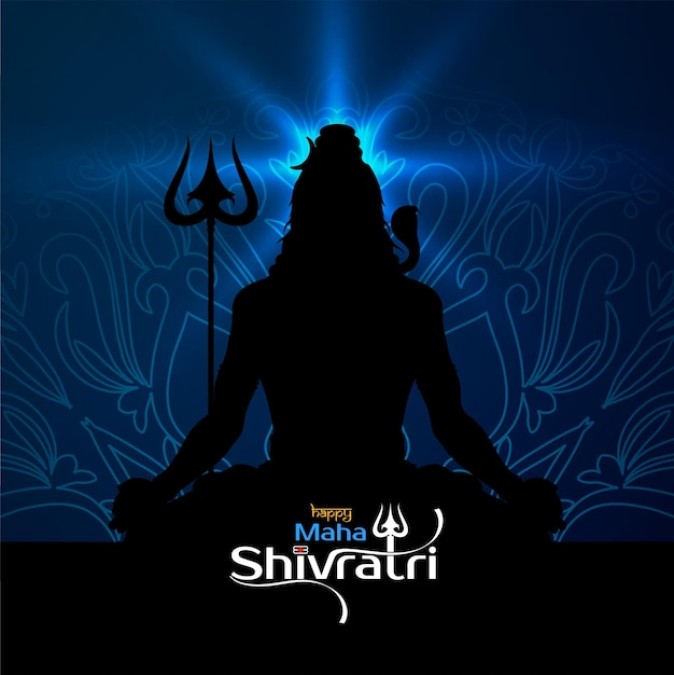
Maha Shivratri, meaning “The Great Night of Shiva,” is one of the most sacred and spiritually powerful festivals celebrated by Hindus across Nepal and India. Dedicated to Lord Shiva—the destroyer of evil and transformer within the Holy Trinity—this auspicious night symbolizes devotion, inner awakening, and the victory of light over darkness.
Maha Shivratri is believed to mark:
The divine marriage of Lord Shiva and Goddess Parvati
The night Shiva performed the cosmic dance of creation, preservation, and destruction (Tandava)
A powerful moment when spiritual energies are naturally elevated
Unlike other Hindu festivals that are celebrated with feasting and celebration, Maha Shivratri is observed with fasting, meditation, prayer, and night-long vigil (Jagaran). Devotees seek forgiveness, inner peace, and spiritual growth.
In Nepal, Maha Shivratri holds extraordinary importance. The grandest celebration takes place at Pashupatinath Temple, one of the holiest Shiva temples in the world.
Thousands of devotees, sadhus (holy men), and pilgrims from Nepal and India gather here to:
Offer milk, water, and bel (bael) leaves to the Shiva Lingam
Chant “Om Namah Shivaya”
Light oil lamps and incense
Meditate throughout the night
The temple area transforms into a vibrant spiritual hub filled with devotion, music, and sacred rituals. The atmosphere is powerful—deeply spiritual yet culturally festive.
Here are the key practices observed on Maha Shivratri:
Devotees fast for the entire day and night. Some observe a strict fast without food and water, while others consume fruits and milk.
Staying awake all night symbolizes overcoming darkness and ignorance.
The Shiva Lingam is bathed with:
Milk
Honey
Yogurt
Ghee
Holy water
Each offering represents purification of the mind and soul.
Chanting “Om Namah Shivaya” is believed to cleanse negative karma and bring spiritual clarity.
Beyond rituals, Maha Shivratri is about:
Conquering ego and ignorance
Awakening inner consciousness
Embracing transformation
Finding stillness in chaos
Lord Shiva represents simplicity, detachment, and boundless compassion. His calm presence teaches us balance in life—between material and spiritual worlds.
In Nepal, the festival also has a unique cultural expression. Sadhus dressed in ash and saffron robes gather near temple premises. Traditional music, devotional singing (bhajans), and community gatherings create a lively yet sacred environment.
It is a night where faith, culture, and spirituality beautifully merge.
Maha Shivratri is not just a festival—it is an invitation to pause, reflect, and reconnect with our higher self. It reminds us that after every darkness, there is awakening.
On this sacred night, may Lord Shiva bless everyone with strength, wisdom, and inner peace.


© Safe Himalayan Travel & Adventure P. Ltd. 2026